
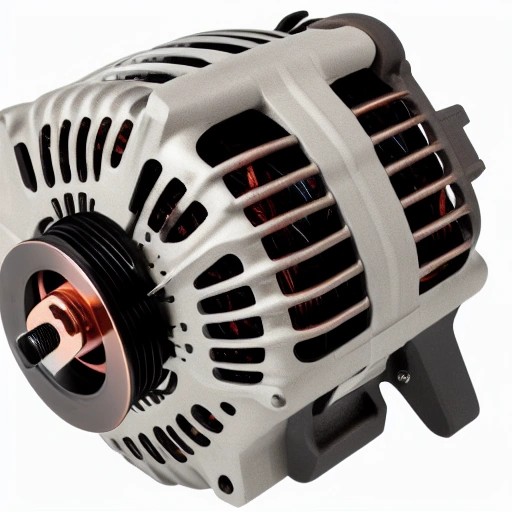
Honda CR-V Alternator Replacement: Troubleshooting Charging Systems and Whining Accessory Belts
You turn the key, hear that high-pitched squeal from under the hood, and notice your headlights dimming—suddenly you’re wondering if your alternator is failing or if that annoying whining belt is just trying to get your attention.
Maybe you’ve already replaced the belt and tensioner, but the battery light still flickers on and off. Or perhaps you’re hearing a whine that changes pitch with engine RPM but only happens when you turn on the headlights or AC. For Honda CR-V owners, these charging system headaches often come down to a few key culprits—and with the right diagnosis, you can avoid paying for parts you don’t actually need.
TL;DR
A failing alternator on a Honda CR-V typically costs between $981 and $1,502 to replace, with parts running $804-$1,242 and labor around $177-$260 . However, many charging system issues and whining noises are actually caused by a worn serpentine belt or a failing belt tensioner—not the alternator itself. The belt drives the alternator, AC compressor, and on some models, the power steering pump and water pump . A whining noise that appears when you put electrical load on the system often points to alternator bearing wear, while a cold-start squeal or chirp usually means a belt or tensioner problem. Proper diagnosis is crucial—throwing an alternator at the problem without checking the belt and tensioner can waste your money.
Key Takeaways
- Alternator replacement costs $981-$1,502 on average, so accurate diagnosis is essential .
- The serpentine belt on most CR-Vs drives the alternator and AC compressor; older models may also drive the power steering pump and water pump .
- A worn belt or failing tensioner can cause squealing, chirping, and charging issues even if the alternator is fine .
- A whine that changes with RPM but only appears under electrical load often indicates a failing alternator bearing .
- The automatic belt tensioner is a common failure point on higher-mileage CR-Vs and should be inspected when replacing the belt .
- Before replacing an alternator, check battery connections, test the battery itself, and inspect the belt and tensioner .
The Charging System: How It All Works Together
The Serpentine Belt’s Job
On most Honda CR-Vs, the serpentine belt—also called the accessory drive belt—transfers power from the engine’s crankshaft to several key components. Depending on your model year and engine, that includes :
- The alternator (keeps your battery charged)
- The AC compressor (for cold air)
- On some models: Power steering pump and water pump
Newer CR-Vs often use electric power steering and a timing chain for the water pump, so the serpentine belt only runs the alternator and AC . The belt tension is maintained by an automatic tensioner, which means there’s no manual adjustment .
How the Alternator Fits In
The alternator is essentially a generator. It converts mechanical energy from the engine into electrical energy to keep your battery charged and power all your vehicle’s electrical systems. When the alternator starts failing, you’ll notice dimming lights, a dead battery, or that dreaded battery warning light on your dash.
Diagnosing the Problem: Belt vs. Alternator vs. Tensioner
Symptom: Squealing or Chirping on Cold Start
A squeal or chirp when you first start the engine—especially on a cold morning—usually means the belt is slipping. This can happen because the belt is worn, glazed, or contaminated with oil or coolant, or because the automatic tensioner is weak and isn’t applying enough pressure .
Italics: The belt should be checked regularly during routine maintenance. Many belts need replacement around 90,000-150,000 km (roughly 55,000-93,000 miles) or 6-8 years, but heat, dust, and stop-and-go driving can shorten that window .
Symptom: Whine That Follows RPM
A whining noise that changes pitch with engine RPM is a different animal. Here’s the key distinction :
- If the whine happens only when electrical load is applied—like turning on the headlights, AC, or heated seats—it often points to a failing alternator bearing or an internal alternator issue .
- If the whine happens regardless of load, it could be the belt, tensioner, or another pulley like the idler pulley or AC compressor clutch bearing .
One CR-V owner with a 2008 diesel model described this exact scenario: “The noise appears when I put a load on the alternator. Once I put the lights on or any accessories (AC, heated seats, etc.) the noise is there. Once I turn off the load, the noise goes” . After replacing the tensioner pulley, the charging voltage improved from 12.6V to 14-14.25V and the noise disappeared.
Symptom: Battery Light Flickering or Staying On
If your battery warning light comes on intermittently or stays illuminated, it doesn’t automatically mean your alternator is dead. It could be :
- A worn or slipping belt that’s preventing the alternator from spinning properly
- A failing tensioner
- Corroded or loose battery connections
- A weak battery that’s failing to hold a charge
- The alternator itself, especially the voltage regulator
One forum member who had a new tensioner and belt still got intermittent battery light warnings and found their battery discharged after a 40-minute drive . The advice from experienced owners: have the alternator tested professionally, check the electric load detector (ELD), and inspect the ECU for communication issues with the charging system.
The Belt and Tensioner: Your First Line of Defense
When to Replace the Serpentine Belt
Honda’s guidance is to inspect the belt during routine servicing. Look for :
- Cracks across the ribs (the ribbed side of the belt)
- Glazed or shiny sections (means the belt is slipping)
- Frayed edges or chunks missing
- Oil or coolant contamination (fix the leak first)
If you see any of these signs, replace the belt. Many CR-Vs need a new belt between 90,000-150,000 km, but condition beats mileage every time .
The Tensioner Problem
The automatic tensioner on CR-Vs is a wear item. It uses a spring-loaded arm with a pulley to keep constant tension on the belt, but over time the spring weakens or the pulley bearing wears out . A failing tensioner can cause :
- Unusual squealing or chirping
- The belt feeling too loose or too tight
- Visible wear on the pulley
Italics: It’s always smart to replace the tensioner and idler pulleys when you do the belt—they often fail around the same time, and a bad tensioner can kill a new belt quickly .
Comparison Table: Charging System Diagnoses
| Symptom | Most Likely Cause | Test/Inspection | Typical Fix |
|---|---|---|---|
| Squeal on cold start, disappears when warm | Worn or glazed belt, weak tensioner | Inspect belt for cracks, check tensioner arm for movement | Replace belt and tensioner together |
| Whine that follows RPM, only under electrical load | Alternator bearing wear | Load test alternator, listen with mechanic’s stethoscope | Alternator replacement or rebuild |
| Battery warning light on/off, low voltage at battery | Alternator voltage regulator, belt slip, bad connection | Test charging voltage at battery terminals, inspect connections | Depends on diagnosis; could be belt, alternator, or wiring |
| Noisy pulley, constant rumble or chirp | Idler pulley or tensioner pulley bearing | Remove belt, spin pulleys by hand, listen for roughness | Replace noisy pulley |
| Battery dead after short drive, charges with long drive | Weak battery, alternator not charging enough | Load test battery, test alternator output | Replace weak battery, inspect charging system |
Alternator Replacement: What It Actually Costs
If your diagnosis points to the alternator, here’s what you’re looking at. According to RepairPal, the average cost for a Honda CR-V alternator replacement ranges from $981 to $1,502 . That breaks down to:
- Parts: $804 to $1,242
- Labor: $177 to $260
Prices vary by model year, location, and whether you go with OEM or aftermarket. An aftermarket alternator for older models (1997-2001) can cost as little as $140-$175 , but newer models with more complex charging systems will cost more.
“A Honda interior isn’t just a place to sit; it’s a practical workspace, a family hub, and a command center. The thoughtful layout isn’t just about comfort; it’s about making every drive—from school drop-offs to cross-country trips—feel effortless.”
Chart: Alternator Replacement Cost Breakdown by Component
DIY vs. Professional: What to Consider
Can You Do It Yourself?
Replacing the serpentine belt is a job many home mechanics can handle. The basic process :
- Note the belt routing diagram (usually on the radiator support)
- Use a breaker bar or serpentine belt tool on the automatic tensioner to release tension
- Remove the old belt
- Install the new belt following the routing diagram
- Release the tensioner and double-check that the belt is properly seated
A belt replacement typically takes 0.5-1.0 hours of labor at a shop .
When to Call a Pro
Alternator replacement is more involved. The alternator is a significant component that weighs several pounds, often requires removing other parts for access, and must be properly connected to the electrical system. A professional mechanic can also test the charging system thoroughly to confirm the diagnosis.
Safety reminder: Always work with the engine off. Keep fingers clear of moving pulleys. If you’re unsure about your diagnosis or repair ability, consult a Honda specialist or dealership .
FAQs
What are the signs of a failing alternator on a Honda CR-V?
Dimming headlights, a dead or discharged battery, a battery warning light on the dash, and a whining noise that increases with RPM (especially under electrical load) are common signs .
How much does it cost to replace a CR-V alternator?
The average cost ranges from $981 to $1,502, including parts and labor .
Can a worn belt cause charging problems?
Yes. If the serpentine belt is loose, glazed, or cracked, the alternator may not spin properly, reducing charging output .
What causes a whining noise in a Honda CR-V that follows RPM?
A whine that follows RPM often indicates a failing alternator bearing, a worn belt, or a failing tensioner pulley .
How often should the serpentine belt be replaced on a CR-V?
Inspect every service; typical replacement is around 90,000-150,000 km (55,000-93,000 miles) or 6-8 years, but replace sooner if worn or noisy .
Should I replace the tensioner with the belt?
It’s highly recommended. A weak or noisy tensioner can cause premature belt wear and continued squealing .
Can a bad tensioner cause the battery light to come on?
Yes. If the tensioner fails to keep the belt tight, the alternator won’t charge the battery properly, triggering the warning light .
Have you dealt with charging issues or whining belts on your CR-V? What turned out to be the culprit? Share your experience in the comments below!
For further reading on Honda CR-V charging systems and maintenance:


